What Is Dubai Chocolate? A Supplier’s Guide for Pistachio-Filled Bars
Dubai chocolate has emerged as a premium chocolate bar format defined by visible fillings, layered textures, and controlled indulgence. When manufacturers ask “what is Dubai chocolate?”, they are usually referring to a thick molded bar designed to deliver a clean snap, a generous pistachio center, and a crisp crunch element. The format matters because execution is immediately visible. Texture failures, oiling-out, or soggy inclusions are easy for consumers to detect.
For small and mid-sized brands, the Dubai pistachio chocolate bar offers strong visual differentiation and premium positioning. Success, however, depends on ingredient specifications and process discipline more than novelty. This guide breaks down the format using manufacturer-checkable identifiers and practical formulation guidance.
What “Dubai Chocolate” Is (and What It Is Not)
Dubai chocolate is best defined as a construction method rather than a single recipe. From a production standpoint, it follows a consistent structure that can be validated on the line and at shelf.
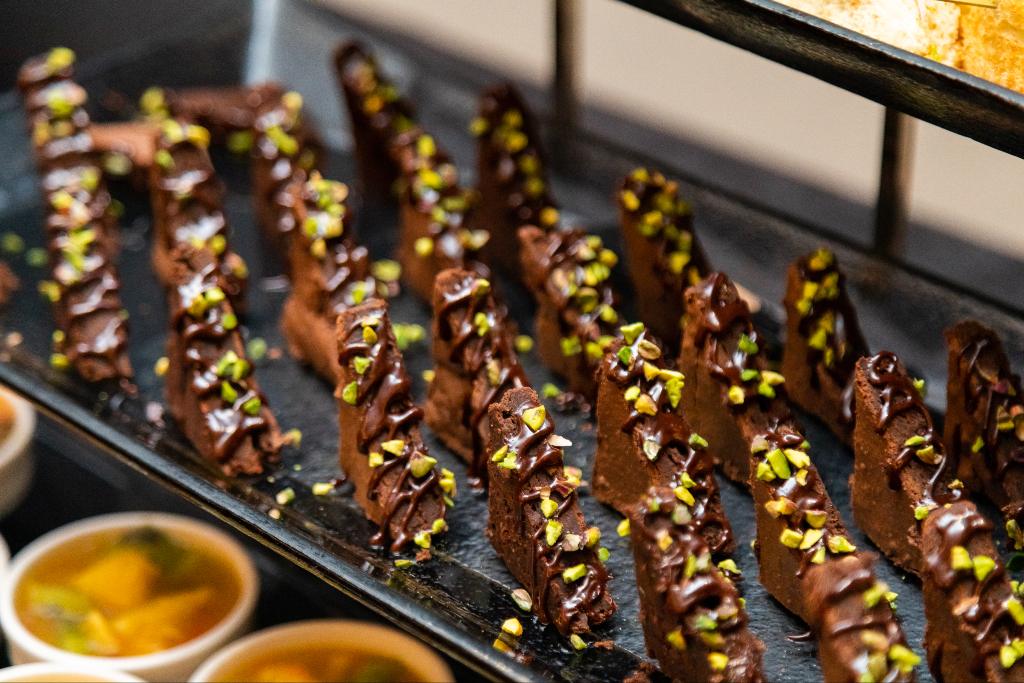
A true Dubai-style chocolate bar includes:
- A thick molded chocolate shell with a clean snap
- A high, visible pistachio-based filling layer
- A toasted kataifi crunch component integrated into the center
Manufacturers often work within measurable benchmarks such as a filling-to-shell ratio that favors the center, a visible pistachio layer that holds shape after snapping, and a shell firm enough to break cleanly without cracking or leaking.
When It Is Not Dubai Chocolate
Certain shortcuts or formulation gaps move a bar outside this category. A product typically does not qualify if:
- The filling is a thin smear rather than a distinct layer
- No crunch element is present
- Pistachio paste feels gritty or uneven
- Kataifi softens quickly or becomes soggy
- The bar breaks messily instead of snapping cleanly
Pistachio Filling Formulation Basics
Pistachio paste is the functional core of Dubai chocolate. It affects deposit accuracy, texture stability, and shelf-life performance.
The Four Pillars of a Great Pistachio Center
Smoothness: Particle size must be tightly controlled. A fine, uniform grind prevents graininess and supports clean, repeatable deposits.
Stability: Oil separation tolerance is critical. Excess free oil can migrate into the chocolate shell, leading to softening, bloom risk, or blurred break lines.
Flavor Balance: Roast level and salt must be consistent. The goal is a nut-forward profile that complements chocolate rather than overpowering it.
Fat Compatibility: Nut oils and cocoa butter should coexist without causing filling hardening or fat migration. Compatibility reduces bloom and texture drift over time.
The Signature Texture Stack: Snap, Cream, Crunch
Dubai chocolate earns its premium feel through a deliberate texture sequence that manufacturers have to engineer, not just describe. The bar should open with a clean snap from the tempered shell, move into a smooth, concentrated pistachio center, then finish with the dry crunch of kataifi.
Most manufacturers follow a similar process flow:
- Mold and set chocolate shells
- Toast kataifi and cool fully
- Combine pistachio paste with crunch layer
- Deposit filling
- Cap, cool, and de-mold
- Package under controlled conditions
Key watch-outs include moisture control for kataifi, seam integrity during capping, consistent cooling, and storage conditions that protect snap and crunch.
Keep Crunch by Controlling Moisture and Mixing
Kataifi is the defining crunch, but it is highly sensitive to moisture. Toast it until fully dry and evenly golden, then cool completely before it goes anywhere near the filling. Once cooled, treat it like a dry inclusion: keep it covered, minimize exposure to humid air, and fold it in late with gentle mixing so the strands stay intact.
Protect Snap and Cream With Stability and a Strong Seal
A crisp shell is both texture and protection. Consistent tempering and cooling drive the snap consumers expect, and they also reduce cracking that can lead to leaks or early staling. During capping, prioritize clean seam bonding and repeatable cooling, since weak seams are one of the fastest ways to lose both snap and crunch.
On the filling side, the goal is a pistachio center that deposits cleanly and stays stable. If the paste is too loose or releases free oil, that fat can migrate into the kataifi over time and soften the crunch. A controlled viscosity helps the filling hold its shape, supports the inclusion, and preserves the intended “snap, cream, crunch” experience from day one through shelf life.
Common Failure Modes and How to Fix Them (Troubleshooting Table)
| Symptom | Likely Cause | Practical Fix |
| Gritty mouthfeel | Coarse grind | Request finer particle size |
| Oil seepage | Poor emulsion stability | Tighten oil separation tolerance |
| Filling hardens | Fat incompatibility | Adjust nut-to-fat balance |
| Shell cracking | Overfill or cooling issues | Reduce fill volume, stabilize cooling |
| Bloom risk | Fat migration | Improve fat compatibility |
| Messy break line | Uneven setting | Standardize cooling and rest time |
Pistachio Paste Specs to Request From Your Supplier
Getting the pistachio paste spec right is often the difference between a clean deposit, a stable filling, and a bar that oils out or softens over time. Start with the technical basics your production team needs for formulation and line setup:
Ask your supplier for:
- Particle size / grind (to confirm smoothness and control mouthfeel)
- Viscosity or flow guidance at your deposit temperature range (so it deposits consistently and holds inclusions)
- Oil separation expectations over shelf life (what’s normal, what’s a fail)
- Moisture and water activity (to support crunch retention and storage stability)
Once those core specs are clear, move to the practical questions that affect day-to-day execution:
- How do you control batch-to-batch consistency?
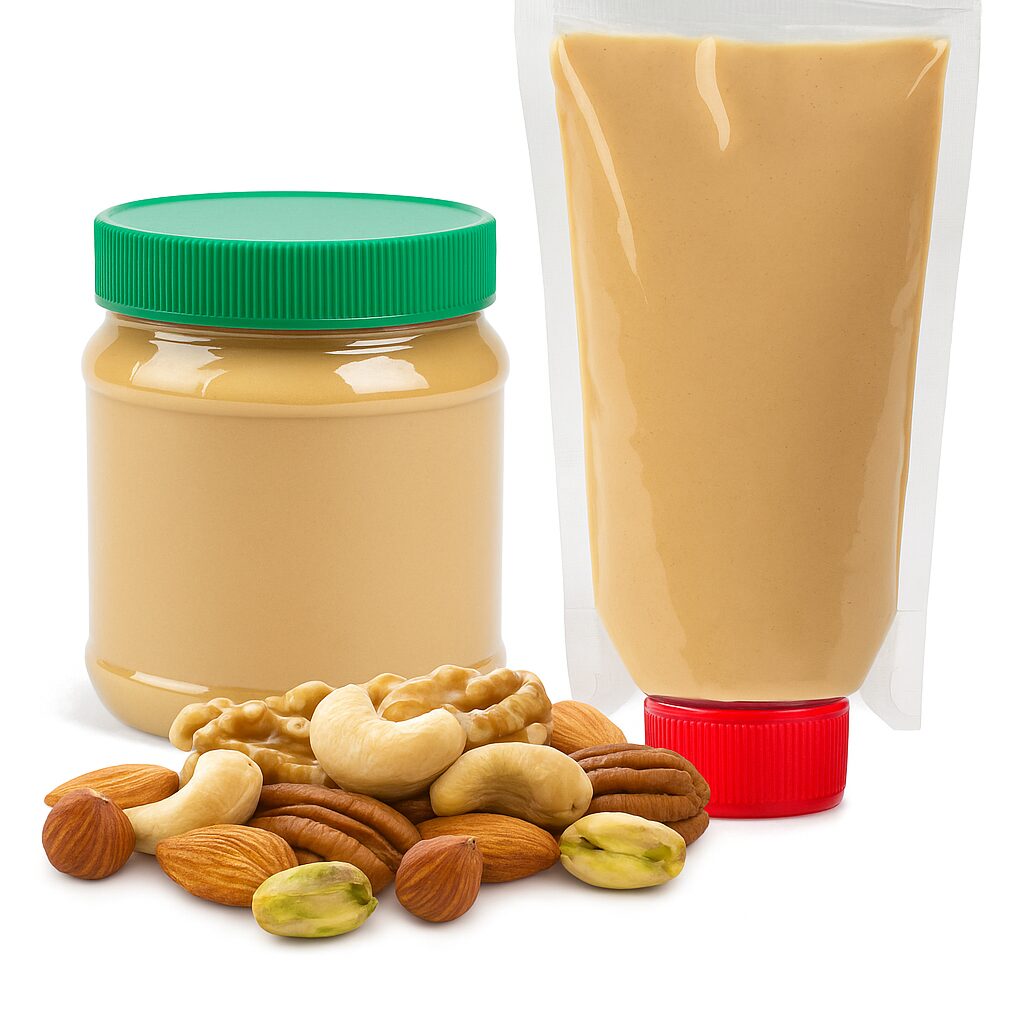
- What packaging formats are available for trials versus scale (pouches, jars, pails)?
- What are typical lead times, and what does reorder cadence look like?
- Can you support small MOQs for pilot runs?
For early-stage brands and new product development, suppliers who can offer small MOQs, flexible packaging, and basic formulation support make iteration faster and reduce development friction.
Why Manufacturers Use JSS Almonds for Pistachio Paste
For Dubai-style filled bars, pistachio paste needs to deliver more than flavor. It has to deposit cleanly, hold a stable texture, and perform consistently from pilot runs through scale. JSS Almonds supplies pistachio paste designed for confectionery applications where process reliability and repeatability directly impact finished quality.
We also make it easier to develop and scale: small minimum order quantities, flexible packaging formats for trials and production, California sourcing that supports tariff planning, and peanut-free production to strengthen allergen positioning and support cleaner labels.
Visit the pistachio paste product page or contact our team to discuss your formulation requirements and production needs.