Almond Butter Benefits for Bakeries, Bars, and Spreads
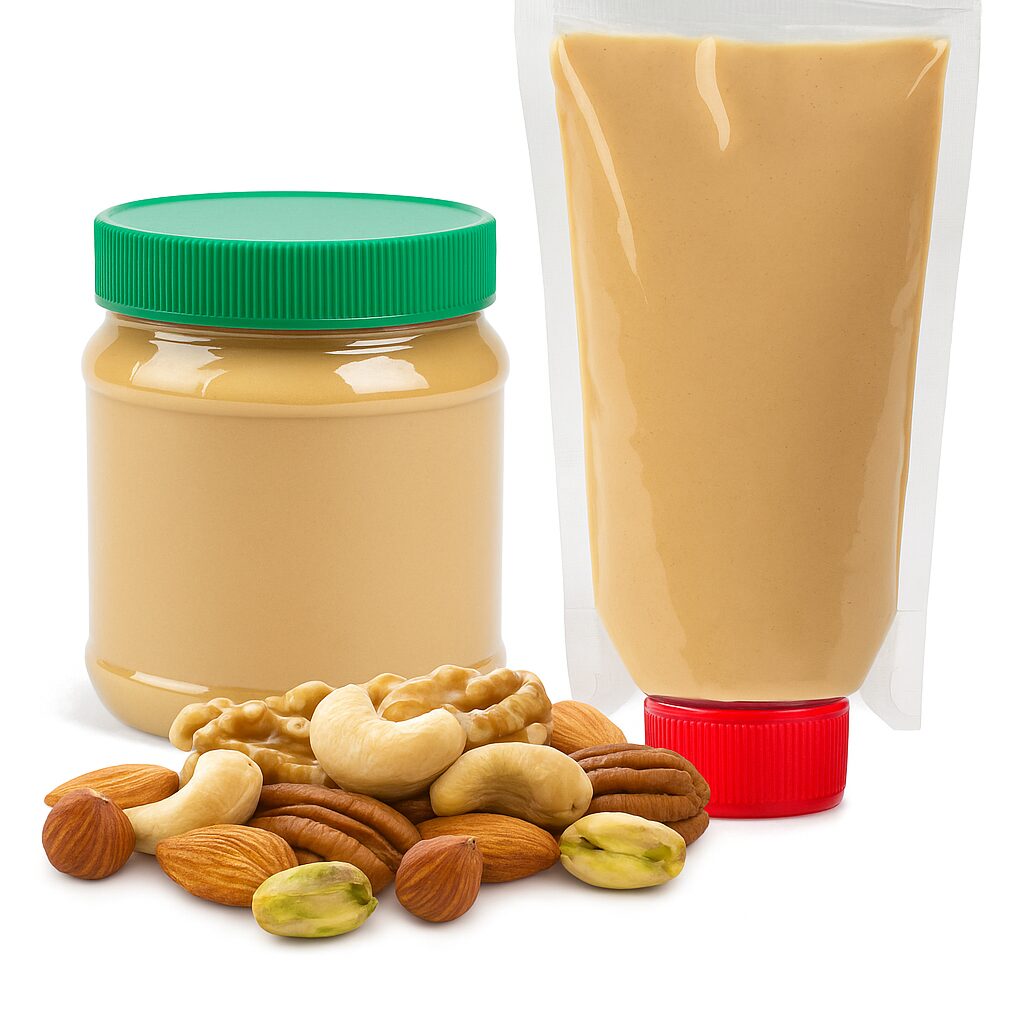
Almond butter is little more than ground almonds, which is part of why it has become a dependable base for brands building spreads, bars, and baked goods. For a food manufacturer, the almond butter benefits that count are practical: a clean nutritional profile, a texture that adjusts to the job, and a naturally peanut-free composition that opens positioning peanut butter cannot. The same ingredient behaves differently in a bakery filling, a snack bar, and a jarred spread, and an almond butter manufacturer that understands those applications is worth finding early.
Almond Butter Benefits and Nutrition Facts
A two-tablespoon serving of almond butter carries about 196 calories, and that makeup gives it broad appeal to shoppers and formulators alike.
| Nutrient (per 2 tbsp, 32g) | Amount |
| Calories | ~196 |
| Total fat | ~18 g, mostly monounsaturated |
| Protein | ~6.7 g |
| Fiber | ~3.3 g |
| Vitamin E | ~7.8 mg |
| Added sugar (unsweetened) | 0 g |
The fat profile leads the case. Most of the fat in almond butter is monounsaturated, the same category found in olive oil and widely recognized in nutrition science for supporting heart health, and almond butter carries a higher share of it than peanut butter. Vitamin E is the standout micronutrient, sitting well above most nut butters and functioning as an antioxidant, which gives a finished product a nutrient worth putting on the label. Fiber runs higher than peanut butter too, around 3.3 grams against 1.9, and contributes to the fullness that makes nut butters satisfying to eat.
Protein needs the most context. Almond butter delivers close to 7 grams per serving, a solid plant-based amount that still sits just behind peanut butter. A product leading on protein alone has an easier case with peanuts, which is why the stronger almond butter positioning leads on fat quality, vitamin E, and fiber and treats protein as respectable support.
Read: Peanut Butter vs Almond Butter Protein Contents
Almond Butter Texture and Shelf Life in Production
Nutrition sells the concept, but the specifications decide whether almond butter actually runs on the line. Grind sets viscosity: a fine grind flows through pumps and depositors, which is what a swirl, a filling, or an enrobing application needs, while a coarse grind holds enough body to bind a bar and keep inclusions suspended instead of settling to the bottom of the mix. Roast level works alongside it. A light roast keeps the color pale and the flavor mild for products where almond supports rather than leads, and a darker roast pushes the flavor nut-forward for a spread or bar built around it.
Oil separation is the other production reality to plan for. Natural almond butter separates as its oil rises, which on the line means agitation before dosing, and on the shelf means choosing between a stir-before-use natural product and a stabilized one that holds its texture for months. That choice belongs in formulation rather than after launch, because stabilization changes both the mouthfeel and the ingredient statement.
Read: Shelf Life of Almond Butter and How to Store It
Clean-Label and Allergen Benefits of Almond Butter
The label follows directly from those production choices. An unstabilized almond butter can be declared as a single ingredient, almonds, which is as short as an ingredient statement gets and carries weight in a clean-label product. Stabilizing adds a line to the panel, usually a small amount of palm-based oil, so a brand weighs a one-ingredient label against a no-stir texture and picks the side that matches its positioning.
The allergen declaration works the same in either version. Almond butter contains no peanuts, but almond is a tree nut, and U.S. labeling rules require the specific tree nut to be named on the finished product. Cross-contact depends on the facility as much as the ingredient, so a supplier that processes tree nuts in a plant that never handles peanuts simplifies the allergen statement a brand has to stand behind.
How Almond Butter Performs in Bakery, Bar, and Spread Applications
Almond butter’s job changes with the product, and the grind, roast, and consistency that suit a cookie are not the ones that suit a jarred spread.
Almond Butter in Baking
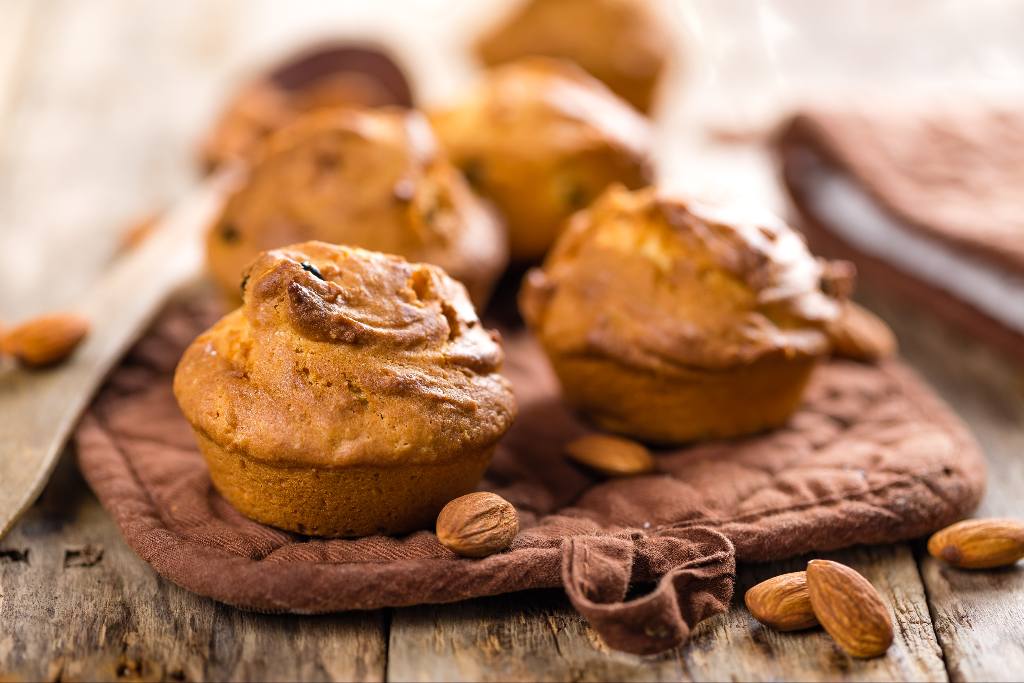
In baked goods, almond butter works as a source of fat and moisture. It softens the crumb in cookies and muffins, binds fillings, and brings a mild, sweet nuttiness that pairs with chocolate, fruit, and caramel without overpowering them. Because it delivers a nut-forward flavor with no peanut, it lets a bakery build an allergen-conscious line without giving up that profile, which is why it ranks among the best peanut butter substitutes for baking.
Almond Butter in Snack Bars
Bars rely on almond butter as a binder. It holds oats, grains, and inclusions together while adding body and a clean panel, and a coarser grind gives the density and bite a snack bar needs. Its mild flavor also takes on additions well, from dates to sea salt to cocoa.
Almond Butter in Jarred Spreads
For a jarred spread, batch-to-batch consistency is the main concern. The product has to pour or spread the same way across a production run and stay stable through months of retail shelf life. Grind, roast level, and whether the butter is stabilized all shape the result, and a spread brand usually needs a supplier that can hold those specifications from one batch to the next rather than shipping whatever a run produces.
How to Source Almond Butter for Your Product Line
The distance between an almond butter concept and a shippable product usually comes down to the supplier. Large processors set minimums that force a small brand to commit to volumes it cannot move, and anonymous private-label sellers give little control over grind, roast, or consistency. Neither fits a brand piloting its first SKU.
JSS Almonds manufactures custom almond butter in small batches, adjusting grind, roast, and texture to the application, with minimum order quantities low enough to make a pilot run realistic. Brands that want to launch under their own name can run production through our private label program while keeping their own branding on the jar.
Partner With JSS Almonds on Your Almond Butter Product
Almond butter fits a brand that wants a clean-label, peanut-free base with a fat and micronutrient profile it can stand behind, and getting it right depends on a supplier who can match the ingredient to the product. JSS Almonds pairs custom small-batch almond butter with a tariff-proof California almond supply, which lets a pilot run and a full production order draw from the same source and the same food-safety standards. Our nut butters range extends the same custom approach across other nuts as a product line grows. Tell our team what you are formulating, and we will match the grind, roast, and batch size to your bakery, bar, or spread.
Frequently Asked Questions
What are the main benefits of almond butter?
Almond butter offers a fat profile weighted toward monounsaturated fat, a high vitamin E content, useful fiber, and a clean single-ingredient label. It is also naturally peanut-free. For food manufacturers, it adds texture, binding, and clean-label positioning to bakery, bar, and spread products.
Is almond butter healthier than peanut butter?
The two are close. Almond butter has more monounsaturated fat, vitamin E, and fiber, while peanut butter is slightly higher in protein and usually cheaper. For a brand, the choice comes down to positioning: almond butter suits clean-label, peanut-free, and micronutrient-focused products.
Is almond butter safe for people with peanut allergies?
Almond butter contains no peanuts, which suits brands positioning away from peanut allergens. Almond is a tree nut, though, and the finished product still requires a tree-nut allergen declaration and appropriate cross-contact controls for the specific facility and customer base.
How much protein is in almond butter?
Almond butter provides close to 7 grams of protein per two-tablespoon serving. It is a solid plant-based amount, though slightly below peanut butter, and it pairs with healthy fats and fiber, which makes it a balanced rather than a protein-leading ingredient.
Can almond butter be customized for a specific product?
Yes. Grind, roast level, and texture can all be adjusted to fit an application, from a smooth pourable filling to a coarse binder for bars. A manufacturer offering custom small batches lets a brand match the almond butter to its formulation rather than working around a fixed stock product.