Best Nut Butters For High-Protein Snacks
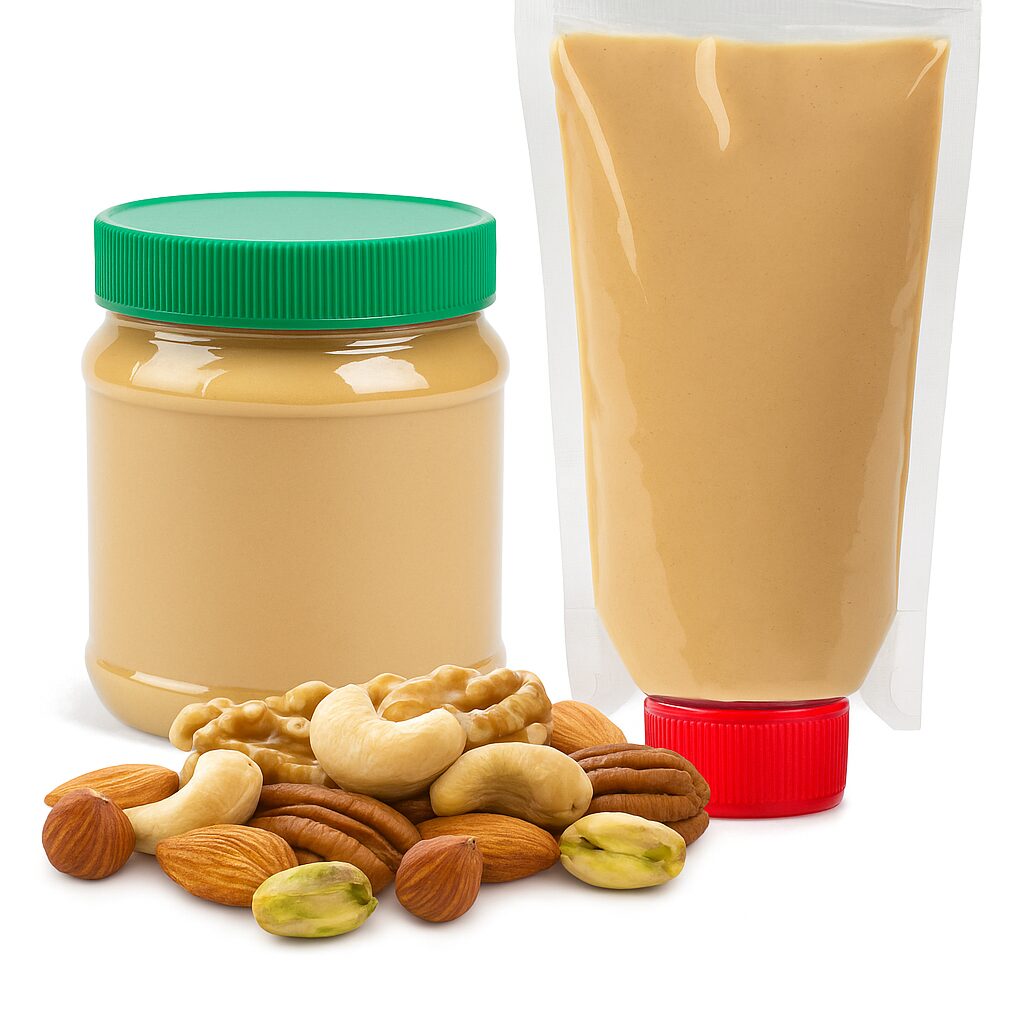
Walk through any health food aisle and the nut butter shelves have multiplied. Almond, cashew, walnut, pecan, jars stacked next to squeeze pouches, single-serve packets beside bulk tubs. Consumers read the label now, and brands are building to meet them. Behind every product that earns its spot, though, is a sourcing decision that either holds the formula together or quietly works against it.
High protein nut butter is no longer a niche idea. It has moved into mainstream snacking, meal-prep culture, and functional food development, and the brands building here know the protein number alone doesn’t win the shelf. Texture, taste, clean ingredients, and batch-to-batch consistency decide whether a product makes it to a second order. That consistency starts with the nut you choose and with the supplier standing behind it, because the right partner shapes not just what goes into the formula but whether a growing brand can produce it at the scale and quality it needs.
Why Nut Butters Have Become a Protein Staple
Nut butters have been showing up in more product formulations lately, and there are good reasons for it beyond the protein count.
Nut butters deliver more than protein. They bring healthy fats, fiber, and micronutrients in a format that is genuinely versatile. A tablespoon or two can anchor a snack bar, fill a pouch for on-the-go eating, or serve as the base of a clean-label spread, without needing much else to make the formula work.
The protein profile varies by nut. It means you can select a base that fits the nutritional target of your product rather than working around it. The natural richness of nut butters also reduces the need for additives, which makes clean-label development more achievable without giving anything up on taste or texture.
Tree nut butters fill a real gap in plant-based snacking. For brands serving consumers moving away from dairy or animal-based proteins, they offer a familiar, satisfying alternative that does not require a lengthy explanation on the packaging.
What to Look for in a High-Protein Nut Butter
There is more to picking the right nut butter than checking the protein number on a spec sheet. A few key factors shape how it performs in formulation and on the shelf:
- Protein density per serving. Different nuts offer different amounts. Almond butter, for instance, delivers around 6 to 7 grams of protein per two tablespoons, making it one of the stronger options among tree nut butters.
- Fat profile. The balance of mono and polyunsaturated fats affects mouthfeel, stability, and how the product lands with health-conscious consumers.
- Oil separation and texture consistency. Natural nut butters without stabilizers behave differently at different temperatures, which matters for packaging and shelf life planning.
- Flavor compatibility. A neutral-tasting base pairs well across sweet and savory applications. A more distinctive nut brings character that needs to be designed around intentionally.
- Sourcing transparency. Consumers and retailers are asking where ingredients come from, and a clearly sourced nut butter supports clean-label claims with confidence.
Where the nut comes from and how it is handled before it becomes a paste sets the ceiling on what the finished product can be.
The Best Nuts for High-Protein Nut Butters
Not every nut butter is going to serve your product the same way. Here is a closer look at the varieties that work best in high-protein snack applications, and what each one brings to the formula.
Almond Butter
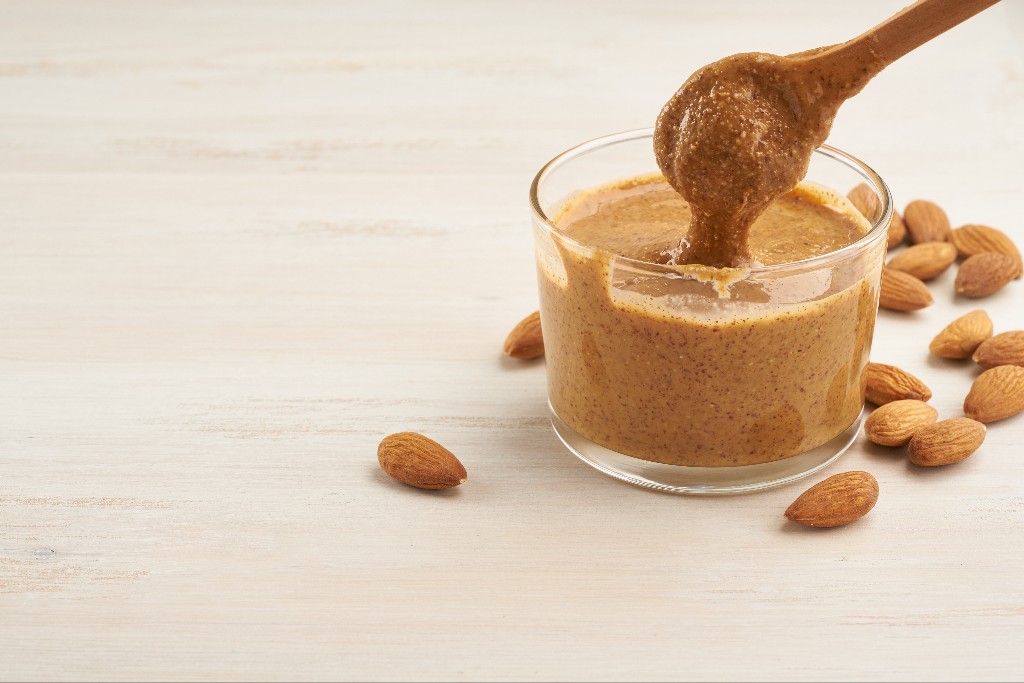
Almond butter is probably the most practical starting point for high-protein snack development. The protein-to-fat ratio is solid, the flavor is mild enough to work across sweet and savory applications, and the texture holds up well in pouches, jars, and bar formats.
California almonds in particular are grown and handled to some of the most consistent quality standards out there. That reliability matters when you are trying to keep your product consistent across production runs. For brands looking for a peanut-free alternative to traditional spreads, almond butter is usually the first place worth looking.
Cashew Butter
Cashew butter has a naturally creamy, lightly sweet profile that tends to perform well in premium snack products. It is smoother than most tree nut butters, which makes it a good fit for pouches and single-serve formats where the eating experience really matters.
The protein content sits a little lower than almond butter, but the flavor needs less added sweetener to feel satisfying. If you are working on a lower-sugar formulation, that is a genuinely useful place to start.
Walnut Butter
Walnuts take a different nutritional angle than most. The omega-3 fatty acid content is what sets them apart, making walnut butter a strong fit for functional snack lines built around brain health or anti-inflammatory positioning.
The flavor is more assertive, with a mild bitterness that pairs well with dark chocolate, honey, or warm spiced formulations. It is a more specific application, but when the product concept is right, walnut butter brings something other nut butters cannot easily replicate.
Pecan Butter
Pecan butter is picking up real interest in the specialty snack space. It is richer and more buttery than most alternatives, and that natural indulgence factor translates well into premium product positioning.
The sweetness is natural, which means dessert-adjacent snack products can come together without a lot of reformulation. Artisan and boutique brands especially tend to find that pecan butter gives their product a distinct character.
Hazelnut Butter
Hazelnut butter has a familiarity that works in its favor. Consumers already associate it with indulgence, and that recognition can be a useful asset when positioning a functional snack that still needs to taste good.
In a high-protein snack formula, it tends to work best as a flavor component blended with a higher-protein base rather than carrying the nutritional load on its own. Done well, it gives the product a distinctive taste without pulling focus from the nutritional goals.
Read: Plant-Based Protein Sources Compared For Snacks And Spreads
Matching the Right Nut Butter to Your Product
Before locking in a formulation, it helps to map each option against what your product needs to deliver:
| Nut Butter | Protein (per 2 tbsp) | Flavor Profile | Best Format |
| Almond | 6 to 7g | Mild, neutral | Pouches, bars, jars |
| Cashew | 5 to 6g | Creamy, slightly sweet | Pouches, spreads |
| Walnut | 4 to 5g | Earthy, robust | Functional snacks, bars |
| Pecan | 3 to 4g | Rich, buttery | Premium jars, confections |
| Hazelnut | 4 to 5g | Nutty, indulgent | Blended applications |
Protein numbers shift based on the specific source and processing method, so confirming values with your ingredient supplier before finalizing a formulation is always the right move.
Ingredient Quality Is Where the Product Starts
Every snack product is only as good as the nut behind it, and quality is set long before the nut becomes a paste, in how the crop is grown, hulled, stored, and handled. A finished butter can only stay as consistent as the supply chain that produced it.
JSS Almonds owns its supply chain from orchard to finished paste. As a California-based, family-owned grower-processor, it works with seven owner-partner farming families across more than 15,000 acres of California orchards and processes under BRCGS AA+ certification, one of the highest food-safety tiers in the industry. The people who know the orchards make the calls on how the nuts are handled, which keeps texture, color, and flavor steady from one production run to the next. A brand whose product has to taste and perform the same on the hundredth batch as on the first depends on quality being locked in at the source, and JSS is built to hold it there.
Start Your Formulation with JSS Almonds
A successful high-protein snack starts well before it reaches store shelves. Early formulation choices shape everything from texture and nutrition to scalability, which is why working with a supplier that understands the realities of growing food brands can make a meaningful difference.
JSS Almonds partners with emerging brands to develop custom nut pastes and butters through flexible production runs and packaging solutions suited for both retail and direct-to-consumer channels. With premium California almonds, low minimum order quantities, and adaptable manufacturing capabilities, brands gain access to reliable, clean-label ingredients without the limitations often associated with large-scale suppliers.
Ready to develop your next high-protein snack? Contact our team at 661-328-5755 or almonds@jssalmonds.com to discuss your formulation goals.