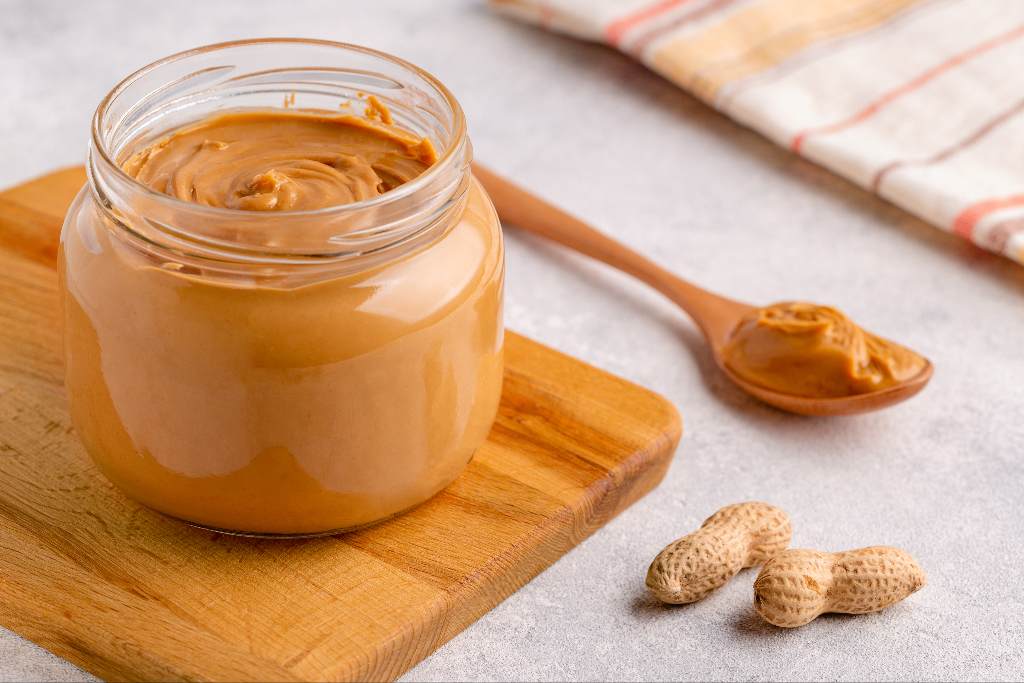
Best Low Fat Peanut Butter Substitute for Food Products
For food manufacturers, bakeries, and snack producers, selecting a low fat peanut butter substitute affects flavor, texture, functionality, and shelf stability. Growing consumer demand for health-conscious, allergen-friendly, and innovative products makes exploring alternatives to peanut butter essential for maintaining product quality.
Why Switch to a Low Fat Peanut Butter Substitute?
Peanut butter is popular for its creamy texture and rich flavor, but it can be high in fat and pose allergen concerns. Substitutes allow brands to:
- Reduce total fat and calories in recipes
- Cater to peanut-free or allergen-safe products
- Meet dietary preferences like keto, low-calorie, or heart-healthy options
- Introduce flavor and texture variations to differentiate products
Top Low Fat Peanut Butter Substitutes for Product Innovation
Here are some of the best alternatives to peanut butter, each with unique advantages for commercial baking, snack production, and other food applications:
1. Reduced-Fat Almond Butter
Almond butter provides a naturally mild flavor and creamy texture. Reduced-fat versions or blends maintain the buttery consistency while lowering calorie and fat content.
Applications for Food Products:
- Cookies, bars, and brownies: Retains spreadability and moisture
- Snack fillings: Smooth consistency enhances product mouthfeel
- Bakery spreads: Maintains structural integrity in sandwich creams
Flavor Profile: Mildly sweet and nutty, complements both chocolate and fruit-based recipes
Texture: Smooth, creamy, and spreadable
Additional Benefits: Rich in monounsaturated fats, vitamin E, and magnesium; supports heart health and clean-label formulations
Notes: Works well in 1:1 substitution and can be customized for sweetness or particle size
2. Powdered Peanut Butter
Powdered peanut butter is created by removing most oils from roasted peanuts. It provides a concentrated peanut flavor with significantly lower fat.
Applications for Food Products:
- Low-fat baked goods: Perfect for cookies and muffins without excess fat
- Protein-enriched snacks: Easily blended with powders or shakes
- Beverage formulations: Can be used in smoothies or protein drinks without changing viscosity
Flavor Profile: Strong peanut flavor, slightly lighter than traditional peanut butter
Texture: Rehydrated to creamy consistency; works in dry mixes
Additional Benefits: High protein content, reduced fat and calories, supports clean-label product claims
Notes: Ideal for high-volume production where fat content must be limited
3. Cashew Butter (Light or Blended)
Cashew butter has a naturally smooth and neutral flavor, making it highly adaptable for varied recipes. Reduced-fat or blended formulations make it a lower-calorie alternative without compromising texture.
Applications for Food Products:
- Frostings and icings: Smooth incorporation into delicate recipes
- Bar fillings: Provides creamy, stable texture for shelf-stable products
- Cookies and pastries: Adds a subtle sweetness without overpowering main flavors
Flavor Profile: Mildly sweet, buttery, and neutral
Texture: Smooth, spreadable, and easily incorporated
Additional Benefits: Good source of protein, magnesium, and zinc; enhances clean-label appeal
Notes: Works well in both premium and health-conscious product lines
4. Sunflower Seed Butter
Sunflower seed butter is a versatile nut-free option, suitable for allergen-free formulations while maintaining creaminess and flavor.
Applications for Food Products:
- Allergy-friendly schools or hospitals: Safe for nut-free environments
- Snack bars and muffins: Adds subtle nutty taste while reducing fat
- Cream fillings: Provides structure and consistency in layered products
Flavor Profile: Mildly nutty and earthy, slightly sweet
Texture: Thick, dense, and creamy
Additional Benefits: High in vitamin E and magnesium; supports immune health and clean-label positioning
Notes: May produce a slight greenish hue in baked goods (harmless chemical reaction)
5. Soy Butter
Soy butter is a plant-based, nut-free alternative with a creamy texture and lower fat content. It offers versatility across a variety of baked and confectionery products.
Applications for Food Products:
- Nut-free cookies, muffins, and bars: Maintains moisture and consistency
- Protein-enriched products: High in plant-based protein
- Creamy spreads or fillings: Smooth incorporation without oil separation
Flavor Profile: Mild, slightly nutty
Texture: Spreadable and smooth, mimics peanut butter
Additional Benefits: Provides iron, potassium, and essential nutrients; supports allergen-free claims
Notes: Can be fortified or flavored to meet specific recipe requirements
6. Pumpkin Seed Butter
Pumpkin seed butter delivers an earthy flavor with lower fat content than traditional peanut butter, making it ideal for nutrient-dense, functional products.
Applications for Food Products:
- Energy and granola bars: Dense and creamy for structural stability
- Savory baked goods: Adds depth to crackers or savory muffins
- Chocolate-based desserts: Complements cocoa and spice profiles
Flavor Profile: Earthy, slightly savory
Texture: Thick, creamy, and slightly firm at room temperature
Additional Benefits: High in magnesium, iron, and antioxidants; promotes heart and metabolic health
Notes: Distinct flavor creates product differentiation
7. Tahini (Sesame Seed Butter)
Tahini is a smooth sesame seed paste, lower in fat than peanut butter and rich in flavor, ideal for innovative baked goods and international-inspired recipes.
Applications for Food Products:
- Middle Eastern desserts: Baklava, halva, or tahini cookies
- Savory spreads: Dips and sauces for baked or fried snacks
- Specialty bars: Blends well with honey, chocolate, or citrus
Flavor Profile: Nutty, slightly bitter
Texture: Smooth, pourable, and blendable
Additional Benefits: Provides calcium, magnesium, and healthy fats; supports clean-label positioning
Notes: Strong flavor can stand out in product innovation
8. Coconut Butter
Coconut butter provides a naturally sweet, tropical flavor. It is high in healthy fats, fiber, and minerals like iron and manganese.
Applications for Food Products:
· Specialty desserts
· Tropical-inspired baked goods
Flavor Profile: Sweet and coconut-forward
Texture: Firm at room temperature, softens when warmed
Additional Benefits: Enhances texture, adds natural sweetness, supports vegan and paleo product lines.
Nutritional Comparison of Popular Low Fat Peanut Butter Substitutes (per 100 g)
| Substitute Type | Calories | Total Fat | Protein | Key Benefit |
| Almond Butter | 645 | 53g | 20.8g | Mild flavor, heart-healthy |
| Powdered Peanut Butter | 462 | 11.5g | 46.2g | Low-fat, versatile |
| Cashew Butter | 609 | 53g | 12.12g | Neutral flavor, creamy |
| Sunflower Seed Butter | 617 | 55.2g | 17.3g | Nut-free, allergen-safe |
| Soy Butter | 613 | 50.01g | 23.02g | Nut-free, high protein |
| Pumpkin Seed Butter | 571 | 46.4g | 35.7g | Nutrient-dense, earthy |
| Tahini | 595 | 53.8g | 17g | Unique flavor, calcium-rich |
| Coconut Butter | 710 | 64.5g | 6.45g | Offers vegan and paleo options |
Data Source: All nutritional data are sourced from USDA FoodData Central.
Disclaimer: Nutritional values may vary depending on ingredients, processing methods, and brand variations.
How a Low-Fat Peanut Butter Substitute Elevates Product Innovation
Innovation drives success for both small brands and large-scale producers. Low-fat peanut butter substitutes help meet evolving dietary preferences while adding new flavor and nutritional dimensions.
Tailored Flavor and Texture Profiles
Each alternative offers its own sensory character. Almond, cashew, and sunflower seed butters can be adjusted for creaminess, nuttiness, or sweetness, while blends create distinctive flavor experiences in baked goods, spreads, and bars.
Meeting Dietary and Nutritional Goals
These substitutes lower saturated fat and introduce heart-healthy fats, plant protein, and allergen-friendly options. The result is a broader appeal to health-conscious, vegan, and allergy-aware consumers.
Functional Performance Across Applications
Almond and cashew butters help maintain moisture in baked goods, while sunflower and soy butters enhance spreadability and texture in bars and fillings. Each option supports consistent quality and shelf stability during production.
Driving Brand Differentiation and Innovation
Incorporating low-fat, nutrient-focused alternatives signals a brand’s commitment to wellness and modern formulation. Custom blends and tailored textures empower product developers to create signature offerings that stand out on the shelf.
How JSS Almonds Builds Custom Nut Butter Solutions
JSS Almonds specializes in helping small food startups and emerging brands create premium almond and nut butter products that fit clean-label and wellness-focused market trends. With a strong foundation in California almond sourcing, the company provides ingredient solutions designed to support product innovation without the high volume demands of larger suppliers.
Services include:
- Tailored almond and nut butter formulations to match flavor, texture, and nutritional goals
- Premium California almonds with tariff-proof supply chain offering price stability and reliability.
- Small minimum order quantities and flexible packaging options suited for pouches, jars, and other retail formats
- Personalized customer support for product development and formulation guidance
Bring Your Products to Market with Confidence
Partnering with JSS Almonds gives small and growing brands access to reliable ingredient sourcing, flexible production runs, and clean-label almond and nut butter solutions that align with consumer expectations for quality and transparency.
Partner with us on your next product launch! Call 661-328-5755 or fill out our form for custom almond butter solutions.