Low Sugar Sweeteners That Work In Spreads, Bars, And Bites
For food manufacturers and emerging brands, choosing the right low-sugar sweetener affects far more than sweetness. In spreads, bars, and bites, sweetening systems can influence moisture, texture, structure, and overall product stability.
When sugar is reduced, those functions still need to be replaced. Spreads need a smooth, stable texture. Bars need enough cohesion to hold their shape. Bites need softness and bite without becoming sticky or dry.
That is why selecting a low-sugar sweetener is not only about cutting sugar. It is about choosing ingredients that work well in a specific application while supporting texture, flavor, and label goals.
Low Sugar Sweeteners Options
Selecting a sweetener starts with understanding what it actually contributes in a formulation. Some ingredients mainly provide sweetness. Others help with bulk, browning, binding, or moisture retention. In many reduced-sugar products, the best result comes from combining ingredients rather than relying on just one.
1. Nut Butters
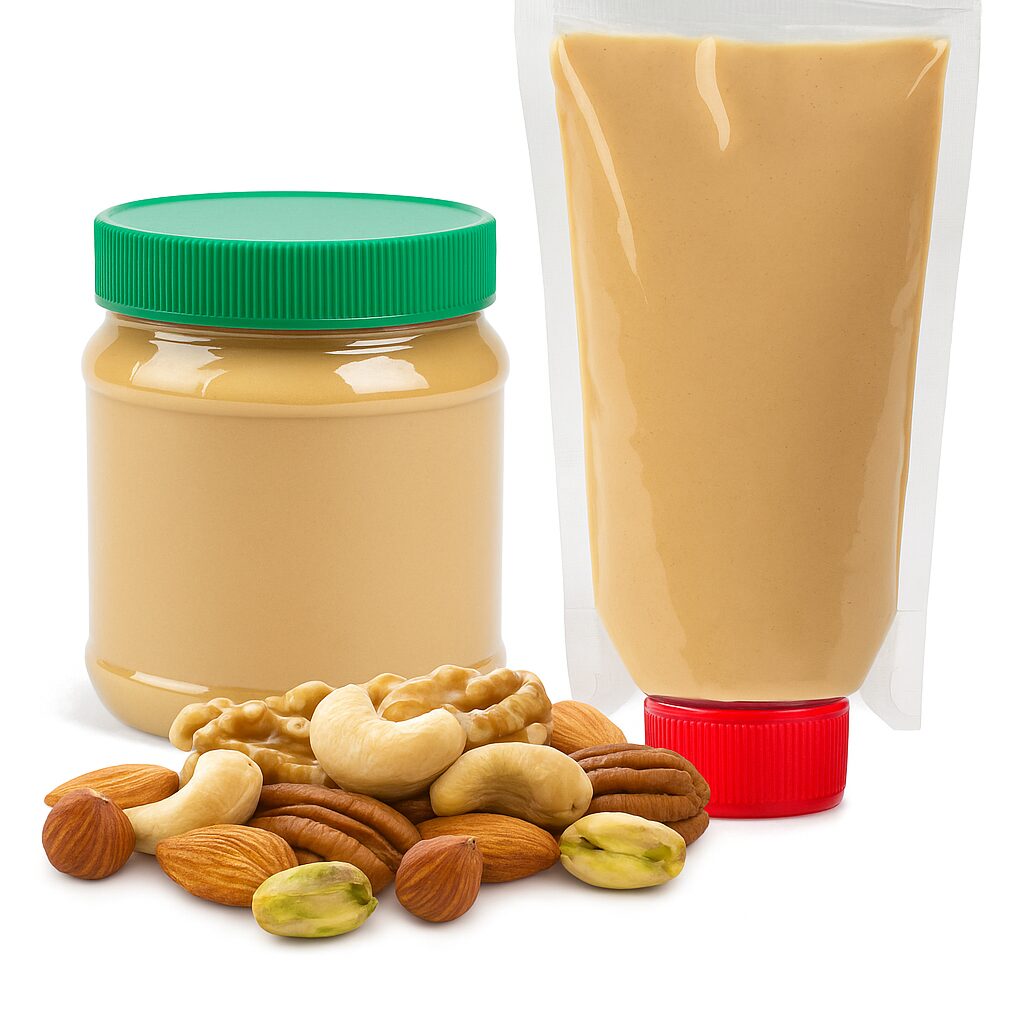
Though not classified as sweeteners, nut butters still fit within reduced-sugar formulation strategies because they naturally contain small amounts of sugar while contributing much more than sweetness alone. In spreads, bars, and bites, their bigger value comes from the fat, body, texture, and stability they add to a product.
When sugar is reduced, products can lose richness, structure, and overall eating quality. Nut butters help fill that gap by improving mouthfeel, supporting cohesion, and creating a smoother, more balanced texture. Using high-quality nut butters made from almonds, cashews, pistachios, or hazelnuts can help manufacturers build cleaner-label products with a stronger functional base.
Read: Almond Paste Uses for Baked Goods, Spreads, and More
2. Monk Fruit
Monk fruit is a natural high-intensity sweetener derived from fruit extract. Because it is much sweeter than sugar, it is typically used in very small amounts. It adds sweetness without contributing bulk or structure, so it is often paired with other ingredients that help with texture and body.
3. Erythritol
Erythritol is a sugar alcohol that provides reduced-calorie sweetness along with some bulk. It can help maintain solids and structure in formulations where sugar reduction would otherwise affect texture. Because it is less sweet than sugar, it is often used in combination with high-intensity sweeteners.
4. Chicory Root Fiber (Inulin)
Chicory root fiber, often labeled as inulin, is a plant-derived soluble fiber typically extracted from chicory root. It is not primarily used as a sweetener, but it does provide a mild sweetness while also helping improve texture, body, and binding. That makes it especially useful in reduced-sugar bars and bites, where structure and consistency matter just as much as sweetness.
5. Date Paste
Date paste is a minimally processed fruit ingredient that adds natural sweetness, moisture, and binding. It works particularly well in bars and bites where a soft, cohesive texture is important. While it still contributes naturally occurring sugars, it is often used in products focused on recognizable ingredients and minimal processing.
6. Allulose
Allulose is a rare sugar that can more closely mimic the taste and functionality of sugar than many other alternatives. It dissolves well, contributes bulk, helps retain moisture, and supports browning during processing. This makes it especially useful in soft bars, bites, and creamy spread applications.
7. Stevia
Stevia is a plant-derived high-intensity sweetener used to increase sweetness without adding meaningful sugar or calories. Like monk fruit, it is typically used in small amounts and works best as part of a blend because it does not provide sugar’s bulk or texture. In reduced-sugar spreads, bars, and bites, stevia can help fine-tune sweetness levels when paired with ingredients that support body and structure.
How Low Sugar Sweeteners Support Product Development
Better control over flavor and texture
Different sweeteners behave differently in a formula. Some add sweetness with little physical contribution, while others help with bulk, texture, or browning. Pairing them with nut butters can help brands create a more balanced finished product.
Support for clean-label and wellness positioning
Reduced-sugar products are often developed alongside broader goals such as shorter ingredient lists, plant-based positioning, or added fiber. Ingredients like date paste and chicory root fiber may support those strategies, depending on the formula and claim requirements.
Functional performance across formats
Allulose can help with moisture retention and browning. Erythritol can contribute bulk. Inulin can help build body. Nut butters can improve texture and richness across spreads, bars, and bites.
More room for differentiation
Blended sweetening systems give brands more flexibility to shape taste, texture, and nutrition positioning in ways that fit their product concept.
Move from Concept to Shelf with JSS Almonds
Reduced-sugar product development works best when sweetness, texture, and functionality are built together. JSS Almonds helps emerging brands create nut butter formulations for spreads, bars, and bites with the consistency, flexibility, and packaging support needed to move from development to launch. With premium nuts, lower MOQs, retail-friendly packaging options, and a tariff-proof supply chain, JSS Almonds is built to support growing brands.
For samples, product consultations, or collaboration inquiries, contact JSS Almonds at 661-328-5755 or almonds@jssalmonds.com to discuss your next idea.