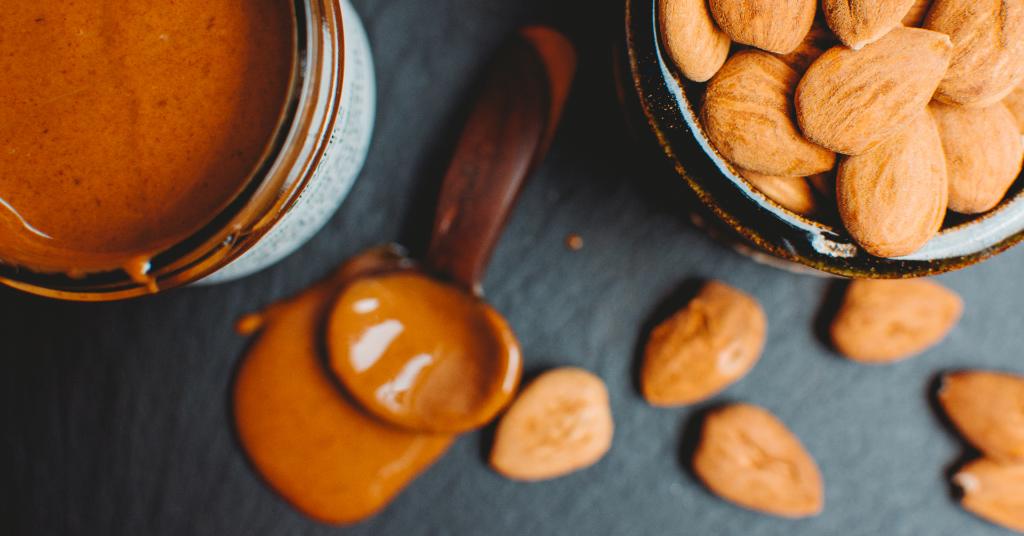
Nut Butter Alternatives To Peanut Butter For Allergy-Friendly Brands
For many food brands, peanut butter has long been a go-to ingredient for spreads, snack bars, baked goods, and sauces. However, rising peanut allergies and the demand for more diverse flavor profiles have pushed product developers to explore peanut butter alternatives that are safer and more versatile.
Whether you’re creating allergy-friendly snacks, plant-based spreads, or premium baked goods, choosing the right peanut butter alternative can help your brand expand into new markets without sacrificing taste or functionality.
Below are some of the most effective nut and seed butter options that brands can use when replacing peanut butter in product formulations.
Why Brands Are Looking for Peanut Butter Alternatives
Peanut butter remains popular, but several factors are driving food companies to look for alternatives.
1. Allergen Considerations
Peanuts are one of the most common food allergens. Products containing peanuts are often restricted in schools, childcare facilities, and many shared environments. Using a peanut butter alternative can help brands create products suitable for wider audiences.
2. Clean-Label and Health Trends
Consumers increasingly prefer ingredients that deliver nutritional benefits such as healthy fats, fiber, vitamins, and plant-based protein. Many nut butters naturally align with clean-label formulations.
3. Flavor Innovation
Alternative nut butters introduce unique flavor profiles that allow brands to differentiate their products and offer premium experiences.
4. Product Diversification
By moving beyond peanut butter, brands can develop specialty spreads, dairy-free formulations, and innovative snack products.
Read: 7 Baking Substitutes for Peanut Butter Perfect for Bakeries
Almond Butter: A Premium Peanut Butter Alternative
Almond butter is one of the most widely used peanut butter alternatives for food brands.
Key Benefits
- Mild, naturally sweet flavor that works well in both sweet and savory products
- High in vitamin E, fiber, and magnesium, supporting wellness-focused products
- Smooth and versatile texture ideal for spreads, beverages, and baked goods
- Premium positioning that resonates with health-conscious consumers
Almond butter works especially well in:
- Protein bars
- Energy bites
- Plant-based beverages
- Artisan baked goods
Cashew Butter for Smooth and Creamy Formulations
Cashew butter is another excellent peanut butter alternative, particularly for products that require a delicate flavor and ultra-smooth consistency.
Why Product Developers Use Cashew Butter
- Naturally creamy texture
- Subtle sweetness that blends well with other ingredients
- Good source of minerals like magnesium and iron
Cashew butter is commonly used in:
- Vegan desserts
- Frostings and fillings
- Dairy-free sauces
- Premium snack bars
Because it has a mild taste, it allows other ingredients such as chocolate, fruit, or spices to stand out.
Hazelnut Butter for Rich Flavor Applications
Hazelnut butter offers a deeper, more distinctive flavor compared to other nut butters, making it ideal for indulgent food products.
Best Uses for Hazelnut Butter
- Chocolate spreads
- Brownies and cookies
- Dessert fillings
- Specialty confections
Its roasted, nutty profile pairs especially well with cocoa and coffee flavors, making it a favorite in gourmet and premium product lines.
Seed Butters for Nut-Free Products
For brands targeting completely nut-free formulations, seed butters provide another effective peanut butter alternative.
Some common options include:
- Sunflower seed butter – smooth and slightly earthy, ideal for school-safe snacks
- Pumpkin seed butter – rich in minerals and protein
- Tahini (sesame seed butter) – bold, savory flavor for global or Mediterranean-inspired products
These alternatives allow brands to create allergen-friendly offerings while maintaining the creamy texture consumers expect from spreads.
Functional Comparison of Peanut Butter Alternatives
Beyond nutrition, product developers also evaluate how each ingredient behaves in formulations. Flavor intensity, texture, allergen considerations, and clean-label compatibility can all influence which peanut butter alternative is the best fit for a specific product.
| Feature | Almond Butter | Cashew Butter | Hazelnut Butter | Sunflower Seed Butter |
|---|---|---|---|---|
| Flavor Profile | Mild, slightly sweet, and versatile; works in both sweet and savory recipes | Creamy and subtly sweet; blends easily with other ingredients | Rich, roasted, and distinctive; pairs well with chocolate | Mildly earthy with slight bitterness; closest nut-free substitute for peanut butter |
| Texture | Smooth and creamy; spreads easily and blends well in batters | Very smooth and soft; ideal for ultra-creamy spreads and sauces | Smooth but slightly oily; works well in dessert applications | Creamy and spreadable; similar consistency to peanut butter |
| Allergen Considerations | Tree nut allergen but less common than peanut allergy | Tree nut allergen; moderate prevalence | Tree nut allergen | Nut-free; suitable for school-safe and allergy-friendly products |
| Clean-Label Potential | Often available as a single-ingredient butter | Neutral flavor supports vegan and dairy-free claims | Works well in indulgent or premium products | Popular in allergen-friendly and school-safe foods |
| Best Applications | Snack bars, baked goods, smoothies, spreads | Frostings, dairy-free sauces, dessert spreads | Chocolate spreads, brownies, confectionery | School snacks, granola bars, cookies, sandwich spreads |
For brands developing new products, exploring high-quality nut butter ingredients such as those available at JSS Almonds’ nut butter collection can help ensure consistent flavor, texture, and formulation performance.
How to Choose the Right Peanut Butter Alternative
Selecting the best substitute depends on your product goals and formulation needs.
Flavor Profile
Some alternatives, like almond and cashew butter, offer mild flavors, while others, like hazelnut butter, provide stronger taste characteristics.
Texture Requirements
Binding, spreadability, and viscosity can vary between nut butters. Understanding how each ingredient behaves in your recipe is essential.
Nutritional Positioning
Nut butters differ in their levels of protein, fiber, vitamins, and healthy fats. Choosing the right one can help support specific nutrition claims.
Target Market
Products designed for schools, allergy-friendly environments, or wellness-focused consumers may benefit from peanut-free or premium nut butter options.
Partner With JSS Almonds for Premium Nut Butter Solutions
Exploring peanut butter alternatives opens the door to new product innovation, from allergy-friendly snacks to premium plant-based spreads. The right ingredient partner can make the process easier and more efficient.
At JSS Almonds, our team works closely with food brands to supply high-quality nut butters with consistent flavor, flexible packaging, and scalable production options. Whether you’re developing a new spread, snack bar, or plant-based product, we help bring your formulation ideas to life.
Ready to develop your next nut butter product? Contact our team to learn how we can support your next launch.