How To Make Chewy Granola Bars That Don’t Crumble On The Line
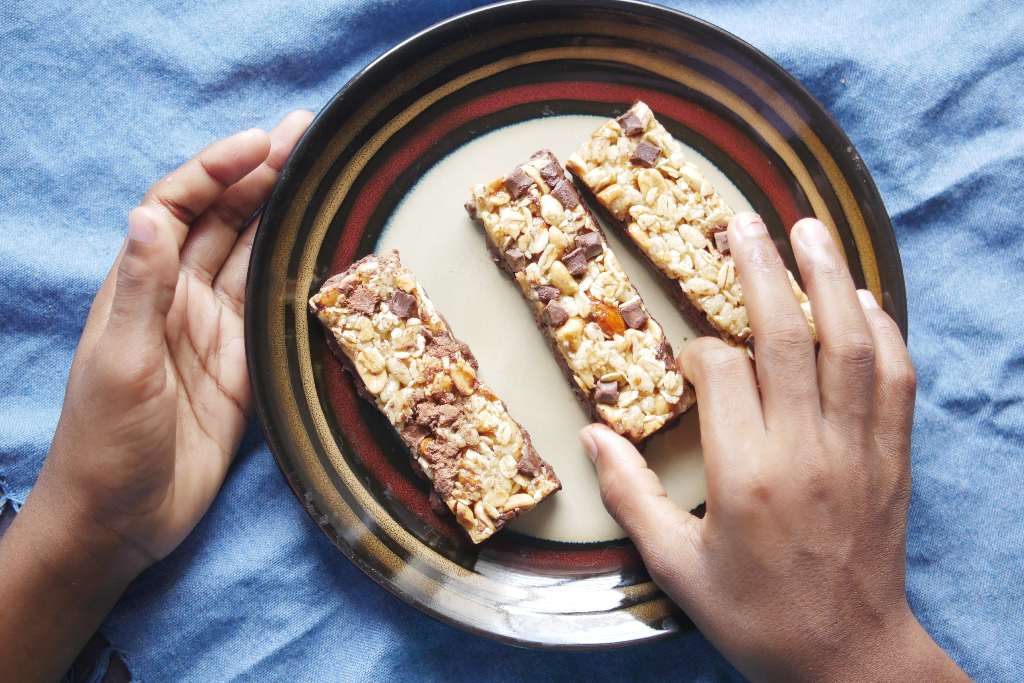
A granola bar that falls apart before it reaches the customer is not just a texture problem, It is a production problem, a packaging problem, and depending on how far along your launch is, a brand problem too. Structural integrity is one of the first real tests a recipe has to pass before it goes anywhere near retail shelves.
Getting to a bar that is genuinely chewy and consistently sturdy comes down to understanding a few foundational principles, then executing them precisely. The steps below break that down in a way that works whether you are developing your first product or refining a formula that is close, but not quite there.
Why Do Chewy Granola Bars Crumble
Before solving the problem, it helps to understand what actually causes it. Most crumbly granola bars fail for one of three reasons:
- Not enough binding agent to hold the dry ingredients together
- An imbalanced ratio of dry to wet ingredients, which stretches the binder too thin to coat everything evenly
- A pressing and setting process that was cut short before the binder had time to firm up
Even when two of these are right, getting one wrong is usually enough to compromise the whole bar. The fix is rarely one dramatic change. It is usually a combination of small corrections that compound into a formula that finally holds.
What a Structurally Sound Bar Actually Gives You
Getting the formula right pays off across your production, your label, and your shelf life all at once.
Consistency That Protects Your Production
A properly bound bar holds its shape through slicing, wrapping, and transport, reducing product loss during production runs. That consistency matters when pitching to wholesale buyers or fulfilling your first large order.
A Cleaner Label With Longer Shelf Life
Clean binders like nut butter and honey support a simpler ingredient list that communicates quality before the first bite. Bars with good fat content also tend to hold up longer on the shelf. Starting with the right ingredients is the first step, and JSS Almonds’ full range of almond and nut ingredients is a solid place to begin.
How To Make Chewy Granola Bars
Understanding what good structure does for a product makes the steps below worth reading closely. Every one of them addresses a part of the formula that determines whether the bar holds or falls apart.
Step 1: Choose Rolled Oats as Your Base
Rolled oats are the standard base for chewy granola bars, and the reason is functional. Their flat, wide surface area allows binders to coat them evenly, which is what creates a cohesive, chewy bite rather than a dry, crumbly one.
A blend worth testing:
- Rolled oats as the primary base for chew and structure
- A smaller portion of quick oats to tighten texture without making the bar too dense
Using quick oats exclusively tends to produce something more compact than chewy, so the blend gives you more control over the final result.
Step 2: Get Your Binder Ratio Right
The binder holds everything together, so the ratio of binder to dry ingredients has to be precise. A useful starting point is roughly one part binder to every two and a half to three parts dry mix by weight.
| What Happens | Why It Happens | The Fix |
| Bar looks set but crumbles when cut | Too little binder | Increase honey or syrup by 10 to 15% |
| Bar is overly dense and sticky | Too much binder | Reduce wet ingredients slightly and retest |
| Binder does not distribute evenly | Mixed while too cool | Heat syrup or honey until fluid before combining |
Honey is one of the most effective binders because it withstands heat, retains moisture, and creates a firm but flexible bond once cooled.
Brown rice syrup is another strong option that produces a slightly firmer bar with less sweetness.
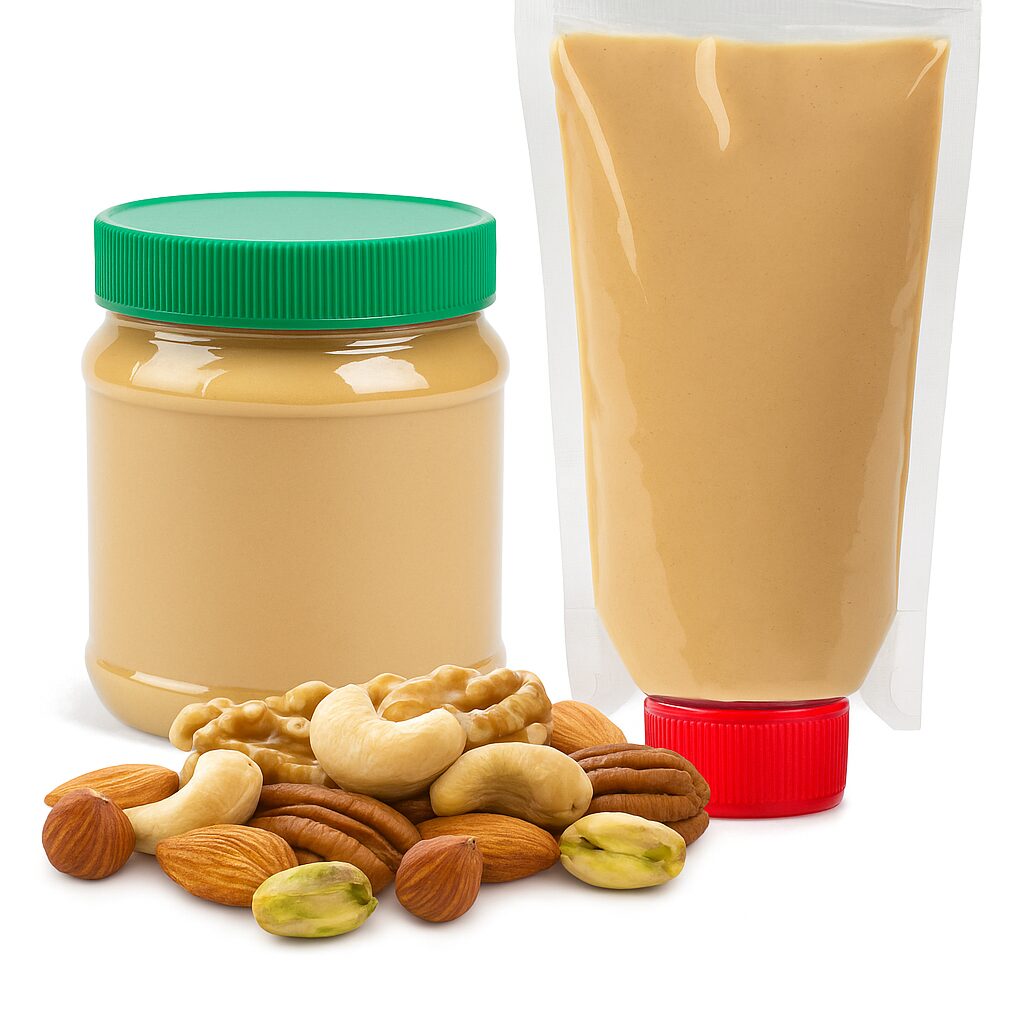
Step 3: Add Nut Butter for Chew, Fat, and Function
Nut butter contributes more to a granola bar than flavor. Fat is what gives a bar its characteristic chew rather than a brittle snap, and nut butter is one of the cleanest ways to introduce it.
Here is what the right nut butter does in the formula:
- Coats dry ingredients to create a softer internal texture that holds under pressure
- Blends smoothly into the binder mixture without clumping when consistency is uniform
- Adds protein and healthy fats that support a more complete nutrition label
- Keeps the ingredient list clean and recognizable without additional additives
Almond butter works especially well here. Its mild flavor moves across a wide range of formulas, and its natural fat content and smooth consistency make it easy to incorporate. JSS Almonds’ nut butters are made from California-grown almonds and are available in formulations suited for smaller production runs, which makes them a practical option for brands in development or scaling up.
Step 4: Press Firmly and Evenly
Compression is not a finishing step. It is a structural one, and uneven pressing is one of the quieter reasons bars fail even when the formula itself is solid.
Once the mixture is combined and warm, transfer it to a lined pan and apply consistent, firm pressure across the entire surface. A flat-bottomed measuring cup or a sheet of parchment with steady hand pressure both work well. Sections that are pressed lightly will be less dense than the rest, and those are the spots that crack or crumble when the bar is cut.
Step 5: Let It Set Completely Before Cutting
Cutting too early breaks the binder bonds before they have finished forming, and no formula adjustment will fix that. The binders need uninterrupted time to cool and firm up fully.
For baked bars, allow the pan to cool at room temperature first, then refrigerate for at least one to two hours before slicing.
For no-bake bars, two hours is the minimum, though longer is almost always better. The bar should feel firm and cold throughout before a knife goes anywhere near it.
For a broader look into how sweeteners interact with nut-based binders in bars and spreads, read: Low Sugar Sweeteners That Work In Spreads, Bars, And Bites.
Why Ingredient Quality Shapes Everything Downstream
Nut butter varies significantly from supplier to supplier in fat content, grind consistency, and moisture level, and those differences directly affect how the binder behaves and how the bar sets. When sourcing matters this much, knowing where the almonds come from is not a small detail.
Inconsistent ingredients are one of the most common reasons a formula that worked in testing fails in production. Finding a supplier who provides consistent specifications, supports smaller order quantities, and engages directly on formulation questions is harder than it should be. That kind of partnership is what separates a smooth path to market from one that keeps sending you back to the drawing board.
Bring Your Next Bar to Life with JSS Almonds
A formula that holds together on the line starts with ingredients that perform the same way every time. That is what the right supplier makes possible.
JSS Almonds works with growing brands to supply high-quality almond and nut butter ingredients with the flexibility smaller operations actually need. Smaller minimum order quantities, custom formulation support, retail-ready packaging options, and a tariff-proof California almond supply mean brands can develop and scale with confidence.
Ready to move your next bakery product from concept to production? Contact JSS Almonds at 661-328-5755 or almonds@jssalmonds.com to learn how our team can support your next formulation.