What Is Gianduja? A Supplier’s Guide to the Chocolate-Hazelnut Paste
A gianduja center is easy to recognize once it is cut, with a soft, glossy surface the color of milk chocolate and the warm aroma of roasted hazelnut. For chocolate brand founders and confectionery R&D teams asking what is gianduja chocolate, it is the Italian chocolate-hazelnut paste behind classic bonbons, filled bars, and premium spreads. Its melt, its flavor, and how well it holds texture through shelf life all trace back to the hazelnut. Sourcing the right paste for it starts with knowing how gianduja is built, where it performs, and what separates gianduja-grade paste from the rest.
What Is Gianduja Chocolate?
Gianduja (also spelled gianduia) is a smooth blend of chocolate and finely ground roasted hazelnuts, typically 20 to 40 percent hazelnut by weight, that originated in Turin, Italy. Ground fine enough to disappear into the chocolate, the hazelnut also brings its own oil, which softens the paste and gives gianduja a creamier bite and a quicker melt than plain chocolate. Dark and milk gianduja are the confectionery standards, while pastry kitchens also make a white version from white chocolate. All three temper and mold much like chocolate, though they always set softer.
The paste dates to the early 1800s, when Napoleonic-era trade restrictions made cocoa scarce and expensive in Turin. Local chocolatiers stretched their supply with hazelnuts from the surrounding Piedmont hills and named the result after Gianduja, the city’s traditional carnival character. By the mid-1800s, Turin makers were shaping it into small, boat-shaped gianduiotti, which remain the city’s signature chocolate. Because gianduja is still sold on that Piedmont origin, a product that names the heritage on its label needs a hazelnut flavor that lives up to it.
Gianduja Ingredients and Hazelnut Ratio
Gianduja is built from three core ingredients: chocolate, sugar, and roasted hazelnut paste. Milk versions add milk powder, with vanilla or a pinch of salt as optional finishing notes.
The European Union’s cocoa and chocolate directive, mirrored by the Codex Alimentarius standard, sets the clearest ratio. Gianduja nut chocolate must contain 20 to 40 grams of finely ground hazelnuts per 100 grams of product, made with a chocolate base of at least 32 percent total dry cocoa solids. Milk gianduja lowers the hazelnut floor to 15 grams per 100 grams. Whole or broken nuts, including almonds, can be added on top as long as all the nuts together make up no more than 60 percent of the product’s weight.
Within that range, many chocolatiers set the gianduja hazelnut content near 30 percent, where the nut flavor comes through clearly and the paste still sets firm enough to mold and wrap. Fillings often start from roughly equal parts chocolate, sugar, and hazelnut, then push the hazelnut share higher for piped or layered centers where a softer set helps.
How Gianduja Is Made
Production starts by roasting the hazelnuts to develop flavor, rubbing off their skins, and grinding them into a smooth paste. Blended with melted chocolate and sugar, the paste is refined until no grit registers on the tongue, then tempered like chocolate. The hazelnut oil lowers the working temperatures and gives the finished gianduja its softer set.
Producers form the tempered paste in one of three ways, depending on the finished piece:
- Molding into bar molds or bonbon shells, where the gianduja fills the center or makes up the whole bar
- Extruding into ropes and cutting them into individual pieces, the traditional method for gianduiotti
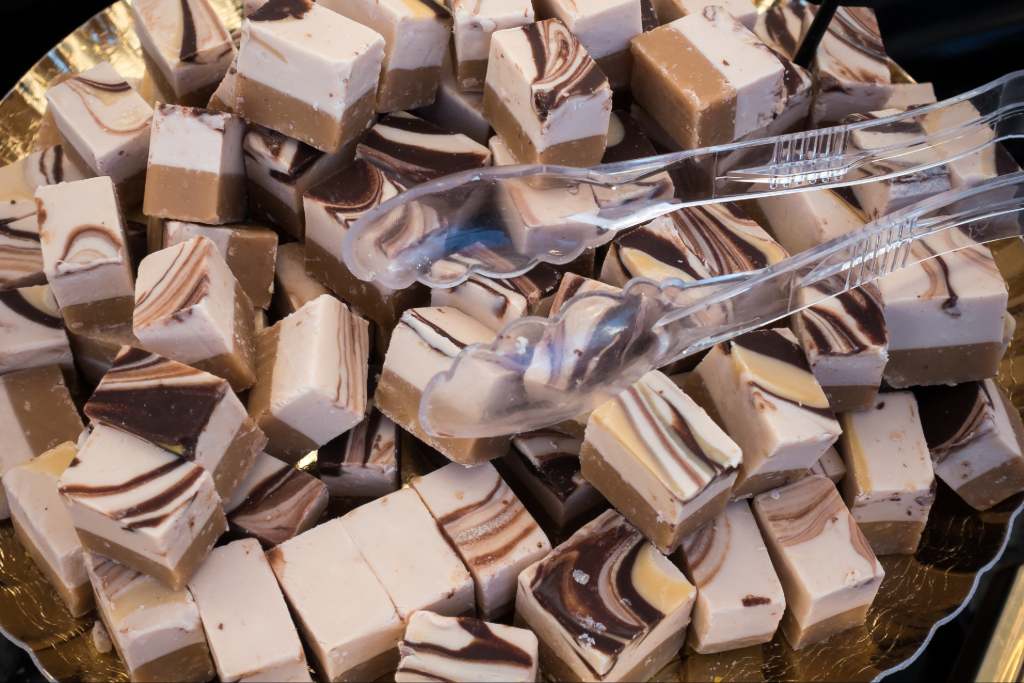
- Slabbing into a frame, then cutting the set sheet into squares for enrobing
Because exposed gianduja dries out and loses its gloss fairly quickly, most centers are enrobed or capped in chocolate before packing. Brands that buy hazelnut butter instead of grinding their own skip the roasting and milling entirely, starting every batch from a paste that is already smooth and consistent.
Gianduja vs. Chocolate Hazelnut Spreads
Many chocolate hazelnut spreads on grocery shelves trace their recipes back to Piedmont gianduja, but the two are built differently. Traditional gianduja starts from chocolate, with cocoa butter and hazelnut oil carrying the texture, no palm oil in the recipe, and hazelnut making up a large share of the weight. Mass-market spreads tend to rely on cocoa powder for flavor and added vegetable oil, often palm, for spreadability. Sugar is frequently the first ingredient listed, leaving hazelnut a smaller supporting role.
| Gianduja | Typical retail hazelnut spread | |
| Chocolate source | Chocolate made with cocoa butter | Cocoa powder |
| Main fats | Cocoa butter and hazelnut oil, no palm oil | Added vegetable oil, often palm |
| Hazelnut content | 20 to 40 percent under the EU standard | Usually a smaller share |
| Production | Roasted, ground, refined with chocolate, then tempered | Ingredients blended into a soft spread, no tempering |
| Texture at room temperature | Sets firm enough to mold, cut, or enrobe | Stays soft and spreadable |
| Typical uses | Bonbons, bars, fillings, gelato | Spreading, baking |
For a brand developing a clean-label spread or filling, the gianduja build of chocolate, sugar, and hazelnut produces a shorter ingredient list and a fuller hazelnut flavor than the mass-market approach.
Where Brands Use Gianduja Paste
Gianduja fits anywhere a product calls for a soft, nut-forward chocolate layer. Brands use it most often in four categories.
Bonbons and Filled Chocolates
Molded bonbons and enrobed pralines are the classic home for a gianduja center, where its soft set gives a clean bite through the shell. Layered pieces such as the Piedmont cremino, which stacks gianduja with a contrasting flavor layer, depend on the paste holding a defined edge when cut.
Premium Bars and Layered Tablets
Solid gianduja bars and filled bars with a gianduja layer give a premium tablet a softer, richer bite than chocolate alone. In a filled bar, the gianduja layer has to stay soft and creamy while keeping its hazelnut oil from migrating into the shell and causing bloom. Pistachio-filled Dubai chocolate bars solve the same oil-migration problem with the same controls on paste viscosity and shell seal. Chopped roasted hazelnuts or crisp wafer pair naturally with the paste, adding crunch against the soft layer.
Spreads and Dessert Creams
Spreads and dessert creams take the gianduja recipe in a softer direction. To stay spreadable at room temperature, these formulas usually carry more hazelnut and less chocolate than a molding gianduja and skip tempering altogether.
Bakery Fillings and Gelato
Bakeries pipe gianduja into laminated pastries, layer it into tortes, and fold it into ganache for cakes and tarts. In gelato, gianduja is one of Italy’s classic flavors, made by blending the paste into the base for a dense, nutty scoop.
What to Look for in Gianduja-Grade Hazelnut Butter
Hazelnut butter sets most of a gianduja’s flavor and texture, making a handful of its properties worth confirming before you commit to a supplier:
- Roast level. A medium roast tends to bring out the hazelnut’s sweetness and depth, while a dark roast can turn bitter against chocolate. Consistent roasting from batch to batch matters as much as the level itself.
- Particle size. The paste should be ground fine enough to blend into refined chocolate without leaving grit.
- Oil stability. Some separation in storage is normal, but a paste that releases a lot of free oil makes batches uneven and raises the risk of bloom in the finished piece.
- Ingredient list. A butter made only from hazelnuts leaves you full control over sugar and fat in your own formula and keeps the label short.
- Lot-to-lot consistency. Color, flavor, and viscosity that stay steady from order to order let a gianduja recipe run without constant adjustment.
- Allergen profile. A tree-nut facility with no peanuts on site simplifies the allergen statement on a product that already declares hazelnuts.
Beyond the paste itself, practical terms such as minimum order quantity and available pack sizes decide whether a supplier can support bench trials as well as full production runs.
JSS Almonds Hazelnut Butter for Chocolate Brands
JSS Almonds is a Bakersfield, California, nut processor and nut butter manufacturer owned by seven partner farming families. We produce butters and pastes from almonds, pistachios, cashews, hazelnuts, pecans, and walnuts in one peanut-free facility. Our hazelnut butter gives confectionery and bakery brands a smooth, consistent base for gianduja, adjusted in texture and flavor intensity to match your formula. Our team works alongside your formulators from the first sample through scale-up, starting with run sizes small enough for a pilot batch.
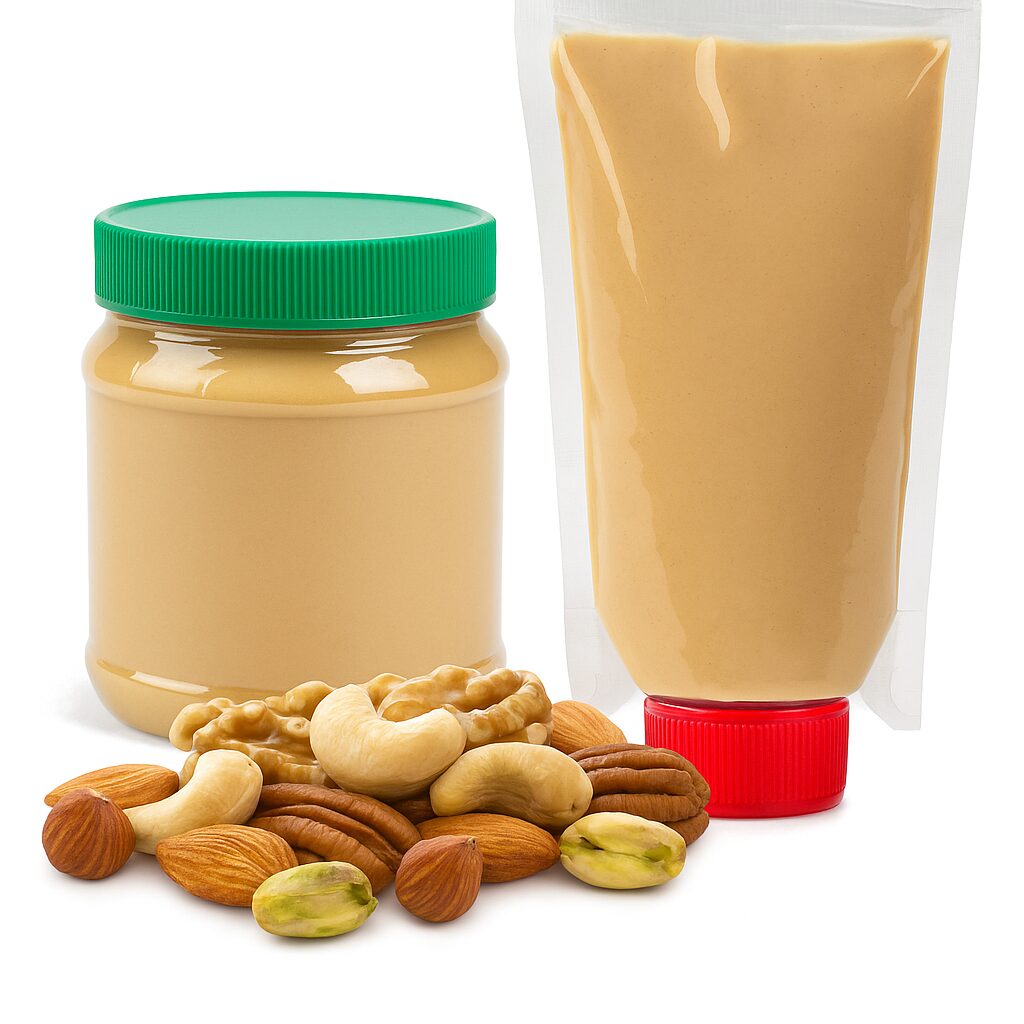
Our processing holds BRCGS AA+ certification, among the highest grades in the industry, supported by HACCP, GMPs, and an environmental monitoring program. We ship hazelnut butter in jars and pouches for R&D, 2- and 5-gallon pails for early production, and 450 lb. drums or full pallets as volume grows. Brands developing a pistachio or almond variation next to their hazelnut gianduja can source every paste from our full range of nut butters, keeping several SKUs under one supplier and one food-safety program.
Take Your Gianduja From Concept to Shelf
A gianduja line earns repeat orders when the tenth batch tastes and deposits like the one approved on the bench. At JSS Almonds, we believe a small brand’s pilot run deserves the same ingredient quality and food-safety standards that the largest volume buyers receive. With a team that picks up the phone, we help your gianduja grow from first sample to full line at the pace your orders set.
Talk to our team about samples and specs for your gianduja, or reach us at 661-328-5755 or almonds@jssalmonds.com.
Gianduja FAQs
What does gianduja chocolate taste like?
Gianduja chocolate tastes of roasted hazelnut first, with cocoa in a softer supporting role. It is usually sweeter and mellower than a dark chocolate of similar cocoa content. The hazelnut oil gives it a creamy, almost buttery melt that lingers on the palate.
How do you pronounce gianduja?
Gianduja is pronounced jahn-DOO-yah, with the stress on the middle syllable. The alternate spelling gianduia, common on Italian packaging, is pronounced the same way.
Is gianduja the same as praline paste?
Gianduja and praline paste are different products, though pastry chefs often use them side by side. Praline paste is made by grinding roasted nuts with caramelized sugar and contains no chocolate, while gianduja blends ground hazelnuts with chocolate. JSS Almonds hazelnut butter can serve as the nut base for gianduja and for many praline-style fillings.
Can gianduja be made with pistachios or almonds?
Pistachio and almond versions of gianduja are common in pastry kitchens, made by replacing the hazelnut with pistachio paste or almond butter in similar proportions. Since the name traditionally refers to hazelnut gianduja, variations are usually labeled by their nut, as in pistachio gianduja. JSS Almonds already supplies pistachio paste to Dubai chocolate brands and produces almond butter alongside hazelnut butter for brands building a variation line.
Read: Pistachio Paste Recipe for Dubai Chocolate
How should gianduja be stored?
Because hazelnut oil can oxidize and exposed paste dries out quickly, gianduja keeps best sealed in a cool, dry place away from light and strong odors. Steady temperatures also protect finished pieces from fat bloom, which dulls the surface and changes the texture. The same conditions keep bulk hazelnut butter stable in storage until it goes into a batch.